A Detailed Summary of the Background and Evolution of Metal Casting Practices
Steel spreading has actually played a pivotal function fit human people. Its origins map back to ancient craftsmens that crafted tools and accessories from liquified steels. Over time, methods evolved together with cultural impacts, causing significant improvements. The Industrial Transformation noted a turning point, presenting automation and brand-new techniques. Today, the market is discovering sustainable practices and cutting-edge technologies. Comprehending this development exposes not only the creativity but additionally the impact of steel spreading on modern-day society.
The Origins of Metal Spreading: Old Strategies and Products
The method of steel spreading traces its roots to old human beings, where early craftsmens used the residential properties of liquified steels to produce devices and ornamental items. These craftsmens mainly utilized copper and gold as a result of their pliability and lower melting factors, utilizing methods such as sand spreading and lost-wax spreading. Sand spreading entailed creating a mold and mildew from sand, while lost-wax spreading permitted complex designs by creating a wax model that melted away during the process. The capacity to cast steels reinvented production, allowing the development of even more sturdy and efficient devices contrasted to their rock predecessors. As expertise spread, various societies adapted these strategies, adding to the development of metalworking. The emergence of steel casting noted a considerable landmark in human history, assisting in innovations in warfare, farming, and virtuosity, eventually laying the groundwork for future advancements in metallurgy and manufacturing procedures.
The Growth of Bronze and Iron Casting
Developments in metal spreading techniques resulted in the development of bronze and iron casting, noting a considerable evolution in product use and innovation. Bronze, an alloy of copper and tin, emerged around 3500 BCE, offering improved resilience and resistance compared to its precursors. This innovation enabled craftsmens to develop complex tools, tools, and attractive things, which added to the rise of complex societies.
Iron casting followed, obtaining prominence around 1200 BCE. The intro of cast iron, created by melting iron and pouring it right into mold and mildews, transformed different sectors. This product was more powerful and more abundant than bronze, facilitating mass production of devices and weapons. The ability to cast iron made it possible for the building and construction of larger, extra resilient frameworks, inevitably changing both army and farming methods. Jointly, the growths in bronze and iron spreading not just advanced technological abilities however likewise laid the structure for future metallurgical developments.
The Influence of Society and Art on Casting Practices
Social significance plays a significant duty in steel casting, affecting the design and feature of actors items throughout various cultures. Artistic techniques and designs have actually advanced, showing the worths and visual appeals of different cultures throughout background. This junction of culture and creativity not just shapes the physical characteristics of actors products but also imbues them with much deeper significance and relevance.
Cultural Importance in Casting
Throughout background, steel casting has functioned as a canvas for social expression, mirroring the worths, ideas, and visual appeals of varied cultures. Each society imbues its cast steel items with specific significance, frequently communicating themes associated with spirituality, power, and identity. As an example, old people employed casting strategies to create divine beings and ritualistic artefacts, symbolizing their spiritual convictions. On the other hand, middle ages European artisans produced complex metalwork that symbolized condition and riches. In addition, aboriginal teams used steel spreading to create products that represented their link to nature and neighborhood. As an outcome, the metal casting procedure goes beyond plain performance, becoming an essential tool via which social narratives and heritage are managed and well known across generations.
Imaginative Methods and Styles
Artistry in steel casting has developed substantially over time, shaped by the social contexts and creative motions of various cultures. From ancient civilizations to modern art kinds, techniques have varied extensively, influenced by spiritual beliefs, social structures, and technical advancements. The intricate layouts of bronze sculptures in old Greece reflected not just technical skill but additionally thoughtful suitables of charm. In comparison, African steel casting typically stressed functional items, merging artistry with energy. The increase of modern art presented abstract types, allowing musicians to explore new products and ingenious casting approaches. Today, artists proceed to draw upon historic styles while integrating modern influences, causing diverse expressions that recognize tradition while pressing the borders of creativity in steel casting.
The Industrial Change: Transforming Metal Casting
The Industrial Change marked a crucial shift in metal casting methods through substantial innovations in casting strategies. The increase of automation enabled faster and extra effective manufacturing processes, considerably boosting production volume. This makeover not just improved the abilities of metal spreading however additionally established the stage for contemporary industrial practices.
Innovations in Casting Strategies
Technologies during the Industrial Transformation drastically changed steel spreading methods, leading the way for higher effectiveness and accuracy. Key developments included the intro of the cupola furnace, which allowed for constant melting of iron, significantly boosting manufacturing prices. The advancement of sand spreading strategies improved the quality and consistency of cast products, while making use of patterns made from metal even more boosted precision. Additionally, the unification of enhanced alloys and ingredients caused more powerful and extra sturdy spreadings. The change from artisanal techniques to a lot more organized strategies noted a substantial modification, allowing producers to meet the climbing needs of automation. These advancements not only maximized processes but likewise expanded the applications of steel spreading throughout numerous industries.
Increase of Automation
As automation held throughout the Industrial Revolution, metal spreading experienced an extensive change that transformed manufacturing approaches. The intro of steam power and mechanized equipment structured procedures, enabling much more efficient and consistent production. Traditional handcrafting techniques paved the way to machine-driven operations, which minimized labor expenses and decreased errors. Developments such as the molding equipment and automated pouring systems substantially improved the speed and accuracy of casting. In addition, making use of standardized molds facilitated a consistent result, additional boosting the top quality of cast products (Aluminum Casting). This change not just boosted the ability for large manufacturing however additionally laid the foundation for modern production methods, positioning automation as a cornerstone of the advancing steel spreading sector
Effect On Manufacturing Quantity
Industrial developments throughout the Industrial Revolution significantly raised manufacturing volume in metal spreading. The introduction of vapor power and mechanized processes permitted faster and extra effective here melting and molding of steels. Manufacturing facilities began taking on setting up line techniques, which streamlined manufacturing and reduced labor prices. Developments in heating system layout and using iron and steel boosted the quality and toughness of cast items, catering to expanding commercial demands. Furthermore, the increase of transport networks facilitated the circulation of cast products, further stimulating production. As a result, these developments not only broadened the scale of steel spreading operations but also branched out the variety of applications, positioning steel spreading as an essential element of commercial development throughout this transformative era.
Modern Casting Methods: From Sand to Financial investment
While standard methods of steel casting have served the industry for centuries, modern-day casting strategies have actually evolved substantially, offering improved precision and performance. Contemporary approaches consist of sand casting, financial investment spreading, die spreading, and lost foam spreading, each tailored to particular applications and products.
Sand casting continues to be popular as a result of its flexibility and cost-effectiveness, suitable for massive production. Financial investment spreading, recognized for its ability to produce complex layouts, uses a wax pattern coated with ceramic, permitting high dimensional precision. Die spreading, typically employed for non-ferrous steels, offers quick production rates and exceptional surface area finishes, making it excellent for mass production.
Lost foam spreading offers an one-of-a-kind approach by utilizing a foam pattern that evaporates during the putting procedure, allowing intricate shapes without the requirement for added cores. Collectively, these contemporary spreading techniques show the industry's commitment to enhancing quality, lowering waste, and enhancing production capacities.
Developments in Products and Technologies
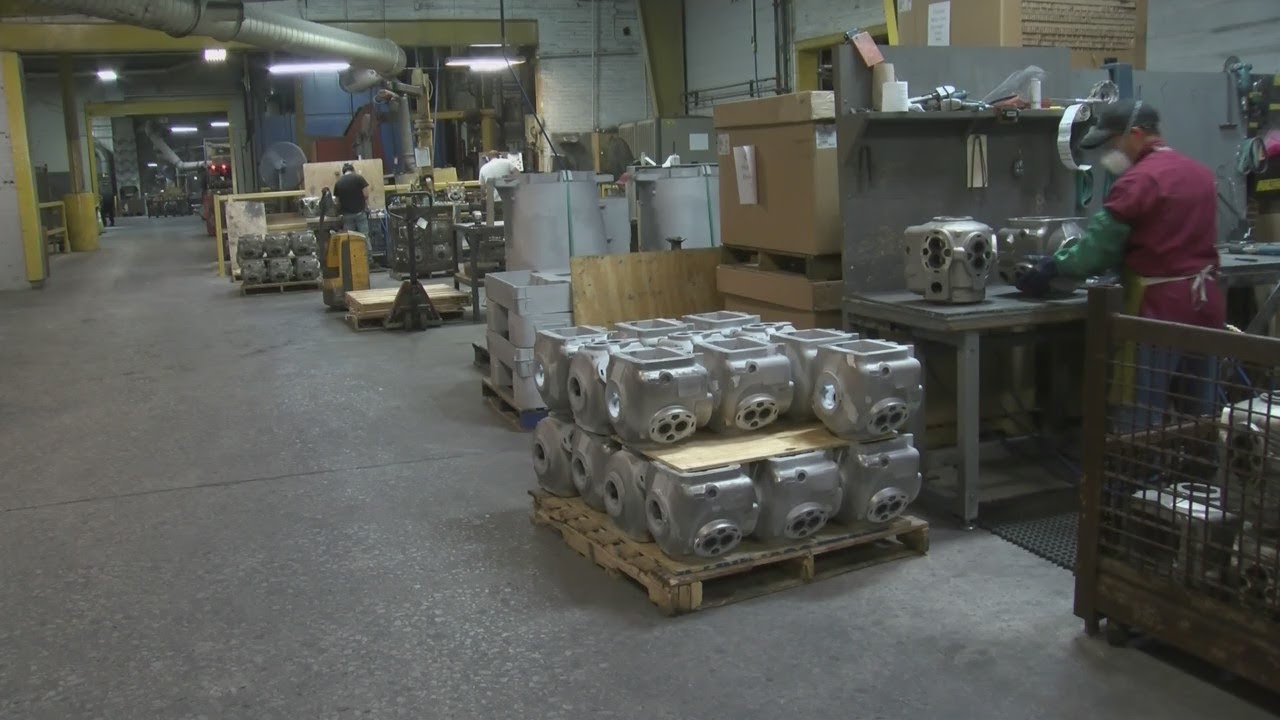
Additionally, the intro of 3D printing technology has transformed mold-making procedures, enabling rapid prototyping and decreased lead times. This modern technology assists in the development of elaborate designs that would certainly be impossible or tough to achieve with typical methods.
Computer simulations and modeling have ended up being essential devices, allowing designers to forecast casting flaws and maximize layouts before production. Such technologies reduce product waste and boost performance, representing a substantial leap onward in steel spreading methods. In general, these innovations have actually redefined the capabilities of the industry, driving it towards higher precision and effectiveness.
The Future of Metal Spreading: Sustainability and Developments
As the steel casting industry looks toward the future, sustainability and technological developments are poised to play critical functions in forming its advancement. Boosting stress to reduce carbon footprints has caused the fostering of environmentally friendly methods, such as recycling scrap metal and using sustainable energy sources in production procedures. Innovations in materials scientific research are additionally changing the landscape, with the advancement of lighter, stronger alloys that enhance item efficiency while minimizing waste.
Furthermore, developments in automation and digital technologies, including 3D printing and man-made knowledge, are enhancing procedures, lowering costs, and improving precision. These modern technologies enable more reliable layouts and faster prototyping, facilitating tailored services for varied sectors. As the field embraces these adjustments, it will not only improve operational effectiveness however likewise contribute to a much more sustainable future, straightening with worldwide environmental objectives and consumer demands for accountable manufacturing techniques. The future of metal spreading is subsequently readied to be both cutting-edge and diligent.
Frequently Asked Inquiries
What Are the Environmental Effects of Steel Casting Practices?
Exactly How Do Casting Problems Impact Product Quality and Safety?
Casting issues greatly compromise product high quality and safety and security by presenting structural weaknesses, bring about prospective failures under stress and anxiety. These imperfections can cause pricey recalls, minimized performance, and increased obligation for makers if not dealt with appropriately.
What Credentials Are Required for an Occupation in Metal Spreading?
A profession in steel casting commonly requires a high school diploma, technical training in metallurgy or design, and experience in making procedures. Certifications in security and quality control even more enhance work leads in this field.
Exactly How Does Steel Casting Add To Modern Manufacturing Processes?
Metal casting considerably improves modern-day manufacturing by enabling the production of intricate shapes, lowering material waste, and allowing for mass manufacturing (Aluminum Casting). Its convenience and effectiveness enhance procedures across numerous markets, driving technology and financial growth
What Are the Costs Connected With Steel Spreading Procedures?
The prices connected with steel spreading procedures consist of basic materials, labor, energy consumption, devices maintenance, and waste monitoring. These expenses can vary significantly based upon the intricacy of the casting process and production volume.
The practice of steel casting traces its roots to ancient worlds, where early artisans utilized the buildings of liquified metals to create devices and decorative items. These artisans primarily made use of copper and gold due to their pliability and lower melting factors, using strategies such as sand spreading and lost-wax spreading. Sand spreading included developing a mold from sand, while lost-wax spreading permitted for detailed layouts by developing a wax design that melted away during the process. Advancements in metal spreading methods led to the advancement of bronze and iron casting, noting a substantial evolution in material use and modern technology. While typical techniques of steel casting have offered the industry for centuries, modern spreading strategies have developed considerably, offering enhanced precision and performance.